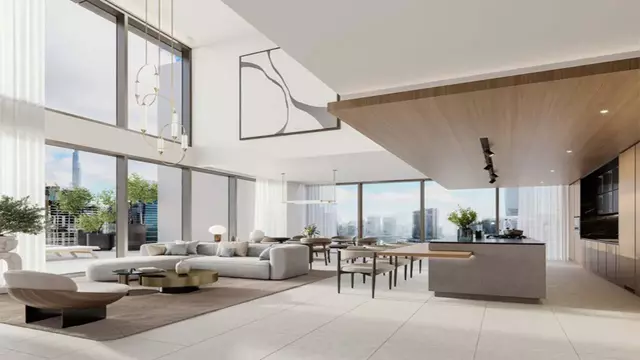
Luxury Properties for Sale in Dubai
984 properties available
Property Listing
Out
 For Sale
AED 2,852,828
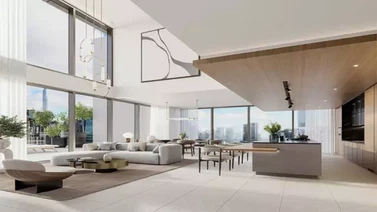
Luxury 1-Bedroom Furnished Apartment for Sale in One River Point, Business Bay
 Business Bay


Out
For Sale
AED 2,742,066
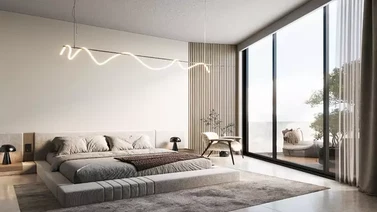
Luxury 2-Bedroom Waterfront Apartment for Sale in Azura Residences, Dubai Islands
Dubai Islands
Out
For Sale
AED 1,823,888
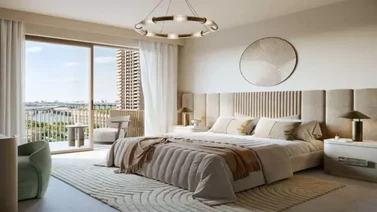
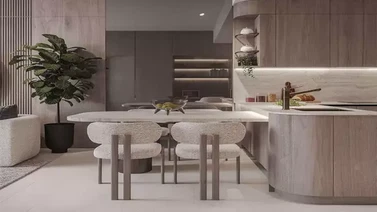
High ROI 1-Bedroom Spacious Apartment for Sale in Altus, Dubai Creek Harbour
Dubai Creek Harbour
Out
For Sale
AED 754,239
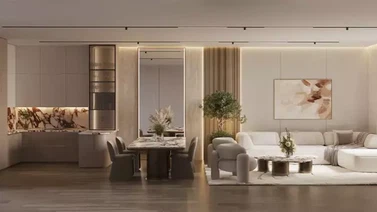
Fully Furnished Studio Apartment for Sale in Pearl House 3 by Imtiaz, JVC District 11
Jumeirah Village Circle (JVC)
Out
For Sale
AED 821,598
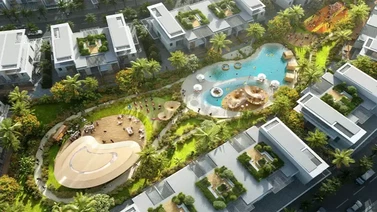
Luxury & Brand New Studio Apartment for Sale in Dusk by Binghatti, JVC District 16
Jumeirah Village Circle (JVC)
Out
For Sale
AED 2,671,000
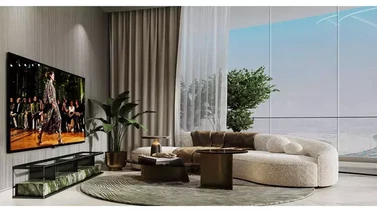
Modern 4-Bedroom Brand New Townhouse for Sale in Damac Sun City, Dubailand
Dubailand
Out
For Sale
AED 2,459,000
Luxury 1-Bedroom High ROI Apartment for Sale in Canal Crown Tower 1, Business Bay
Business Bay
Out
For Sale
AED 1,286,999
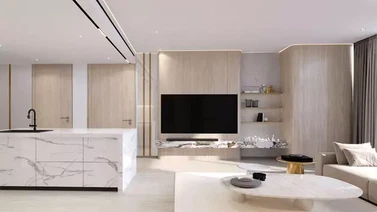
Brand New 1-Bedroom Luxury Apartment for Sale in Binghatti Royale, JVC District 18
Jumeirah Village Circle (JVC)
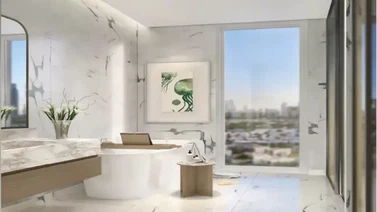 For Sale
AED 9,259,800
High ROI 3-Bedroom Brand New Apartment for Sale in Naya at District One
Mohammed Bin Rashid City
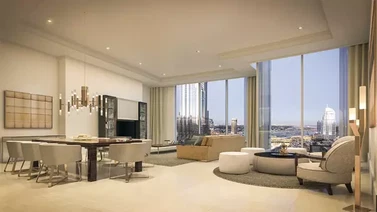 For Sale
AED 7,723,888
Burj Khalifa View 2-Bedroom High Floor Apartment for Sale in Opera Grand, Downtown Dubai
Downtown Dubai
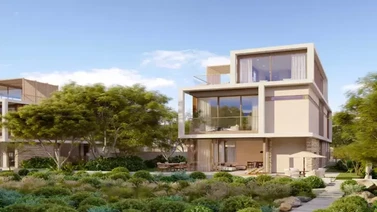 For Sale
AED 10,089,000
Brand New 5-Bedroom High ROI Villa for Sale in The Acres, Dubailand
Dubailand
Out
For Sale
AED 1,480,000
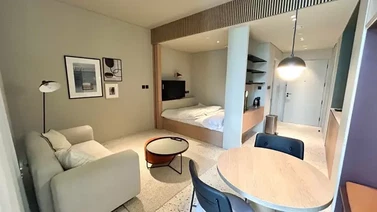
Burj Khalifa View & Furnished Studio Apartment for Sale in Upside Living, Business Bay
Business Bay
 For Sale
AED 11,900,000
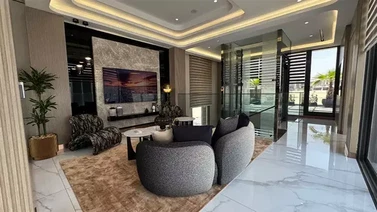
Exclusive 5-Bedroom Custom-Built Villa for Sale in Al Furjan West, Dubai
Al Furjan
Out
For Sale
AED 20,752,100
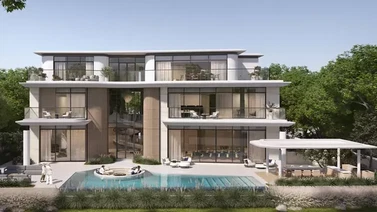
High-End 6-Bedroom Luxurious Villa for Sale in Karl Lagerfeld Villas, District 11, MBR City
Mohammed Bin Rashid City
Out
For Sale
AED 2,400,000
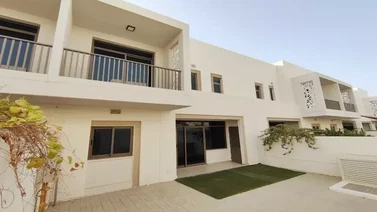
High ROI 3-Bedroom Well-Maintained Townhouse for Sale in Zahra Townhouses, Town Square
Town Square
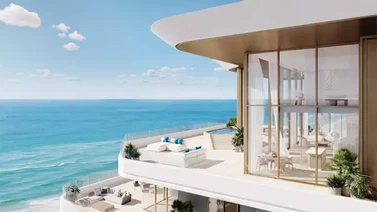
Out
For Sale
AED 3,994,100
Exclusive 3-Bedroom Beachfront Apartment for Sale in Nikki Beach Residences, Al Marjan Island
Ras Al Khaimah
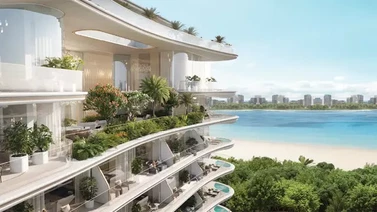
Out
For Sale
AED 2,143,450
Luxury 1-Bedroom Brand New Apartment for Sale in Beach Walk Residences, Dubai Islands
Dubai Islands
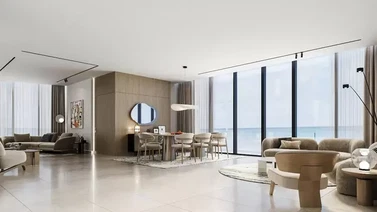
Out
For Sale
AED 2,533,346
Waterfront 2-Bedroom Luxury Apartment for Sale in Azura Residences, Dubai Islands
Dubai Islands
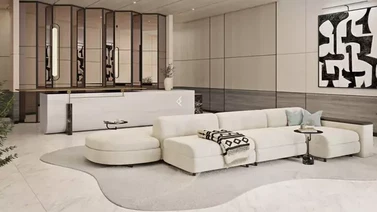
Out
For Sale
AED 3,260,828
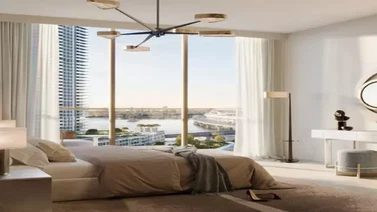
Modern 1-Bedroom Spacious Apartment for Sale in One River Point, Business Bay
Business Bay
Out
For Sale
AED 5,434,888
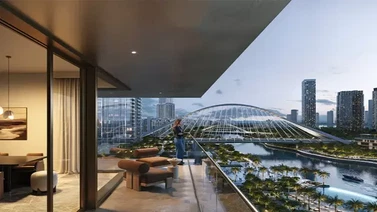
Luxury 3-Bedroom Waterfront Apartment for Sale in ARLO at Dubai Creek Harbour
Dubai Creek Harbour
Out
For Sale
AED 3,648,888
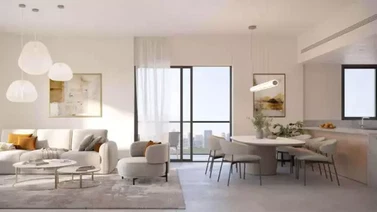
Brand New 2-Bedroom Waterfront Apartment for Sale in Palace Residences Creek Blue
Dubai Creek Harbour
Out
For Sale
AED 1,606,000
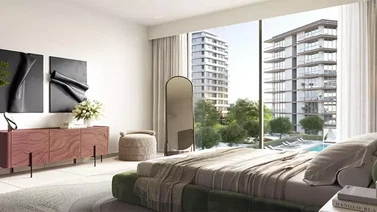
Marina View 2-Bedroom Spacious Apartment for Sale in Cello Residences, JVC District 18
Jumeirah Village Circle (JVC)
Out
For Sale
AED 2,533,888
Luxury 2-Bedroom Waterfront Apartment for Sale in Ocean Cove 1, Mina Rashid
Mina Rashid
Out
For Sale
AED 1,610,000
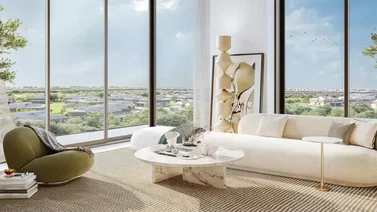
High ROI 1-Bedroom Golf View Apartment for Sale in Club Place, Dubai Hills Estate
Dubai Hills Estate
Published :
|
Last Updated :
Buy Properties in Dubai - Luxury Residences, Family Homes, and Investment Opportunities
Escape to the world’s most popular haven city and explore a broad spectrum of properties for sale in Dubai. The dynamic landscape of the emirate keeps setting records, reinforcing its position on the global stage and calling on shrewd investors to invest their capital for endless future growth.
Dubai Real Estate Market Overview 2026
According to Q2 2026 reports, Dubai reported exceptional transaction values of around AED 108.11 billion from both commercial and residential sectors. Residential sales alone generated AED 83.88 billion from 34,719 deals.
Moreover, the first half of 2026 marked the second-highest half-year in Dubai’s history, with total residential sales hitting AED 221.3 billion. The average price per square foot also climbed by 14% every year to roughly AED 1,770, demonstrating robust demand even as buyers grow more selective.
Popular Areas to Buy Property in Dubai
Location remains the fundamental driver in deciding most of the value in any Dubai property purchase. Top areas to consider when looking for properties for sale in Dubai:
- JVC: The most active community by transaction volume stands out for its highly affordable entry prices and robust tenant demand. Prices in the area average around AED 1,490/ sq. ft, as of July 2026.
- Dubai Silicon Oasis: It leads as the most popular area among budget-conscious buyers in 2026, with average per/ sq. ft. prices floating around AED 1,020.
- Discovery Gardens: A viable option for buyers searching for ready properties for sale in Dubai, commands average prices around AED 1,010/ sq. ft.
- Dubai South: A rapidly growing mega-city development with unprecedented potential for future growth due to DWC expansion and industrial pockets features the lowest entry prices around AED 1,640/ sq. ft.
- Dubai Sports City: A preferable option for both off-plan and ready properties for sale in the emirate, demands the lowest per-square-foot prices around AED 1,270.
Together, these Dubai neighborhoods remain accessible for first-time investors as apartments here sit around AED 10,000 to AED 15,000 per sq. m., which is approximately one-fifth less compared to premium waterfront districts.
Property Types
Almost every district in the city has a diverse range of properties to choose from, with specific districts including:
- Apartments form the largest proportion of Dubai’s residential inventory and allow new investors to easily enter the Dubai market.
- Penthouses and branded residences are featured as ultra-luxury properties with an upward momentum in sales due to a continuous influx of HNWIs in Dubai and a limited supply in the most sought-after addresses.
- Townhouses and villa properties in Dubai typically attract families who prioritize space and private outdoor areas.
Off-Plan vs. Ready Properties in Dubai
Off-plan sales continue to dominate the market, accounting for roughly 74% of all transactions in early 2026.
- Off-plan units are under-construction properties available for purchase at lower entry prices and staged payment plans. These properties suit investors targeting capital growth over a few years.
- Ready properties in Dubai allow buyers to immediately occupy or start earning rental income without experiencing any risks related to handover delays. Such properties are typically attractive to buyers seeking steady cash flow from day one.
Real Yields and ROI in Dubai 2026
Savvy investors choose Dubai properties for their exceptional rental yields compared to cities like London or New York, where gross returns sit around 2 to 4%. The emirate, however, delivers lucrative returns on rental income, with an average of 6 to 8%. Mid-market apartment areas often perform best:
- Jumeirah Village Circle delivers gross yields of roughly 6.8%.
- Dubai Silicon Oasis leads with 8.7% gross rental yields.
- Arjan holds the potential of delivering 8.3% yields on rental income.
Villas are relatively ideal for buyers focused on capital gains over rental income, as these properties demonstrate stronger long-term price growth.
FAQs about Properties for Sale in Dubai
Which areas in Dubai have the highest property prices in 2026?
Ultra-prime neighborhoods in Dubai, including Emirates Hills, DIFC, and Palm Jumeirah, command the highest prices in 2026, typically around AED 30,000 to AED 70,000 per square meter.
Is it a good time to buy property in Dubai in 2026?
Dubai entered a mature stage with steady transaction volumes and rental yields still outperforming most global cities.
What is the average property price in Dubai in 2026?
The average property price in Dubai typically revolves around AED 1,535,000 as of July 2026.
Why are high-net-worth individuals attracted to buy property in Dubai?
Millionaires are attracted to Dubai’s opulent lifestyle, economic stability, and investor-friendly tax policies.
How much deposit is needed to buy a property in Dubai?
Upfront deposits vary by developer, property status, and buyer profile (Emirati/non-Emirati), with most off-plan properties typically allowing unit booking at 10-20% down payment.