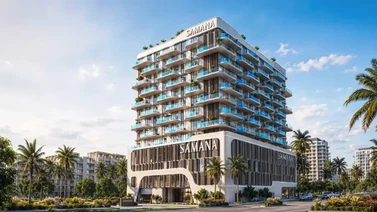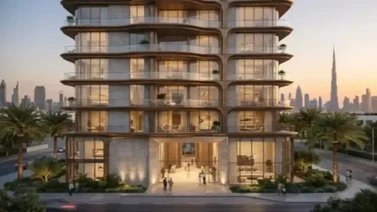
Chinese nationals have been one of the most active groups of foreign buyers seeking to buy property in Dubai over the last few years. Agents in all parts of the city are observing an increase in inquiries from mainland China, as well as a consistent rise in transactions completed by Chinese-owned entities and individuals.
This shift is not happening in isolation. It reflects a specific mix of conditions at home, a property downturn, tighter capital controls, and currency pressure, combined with what Dubai offers in return: freehold ownership, tax efficiency, and a direct route to residency. This blog looks at both sides of that equation and where the trend appears to be concentrating.
The Scale of Chinese Investment in Dubai
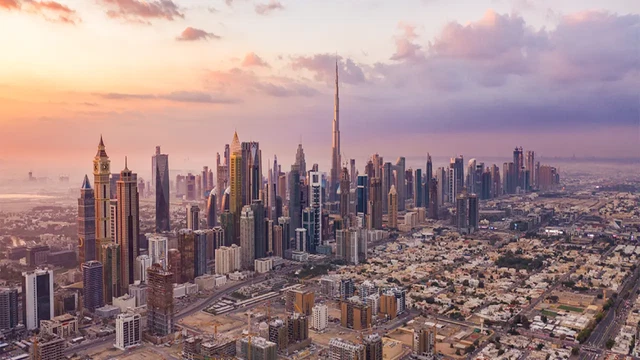
Chinese buyers have been consistently in the top 5 ranks of foreign buyers that are transacting in Dubai's residential market among Indian, British, Russian, and Pakistani foreigners over the past 2-3 years. Chinese buyers have increased more strongly than ever compared to other nationalities, as shown in the number of transactions, and in the number of inquiries reported by Chinese property portals and agencies.
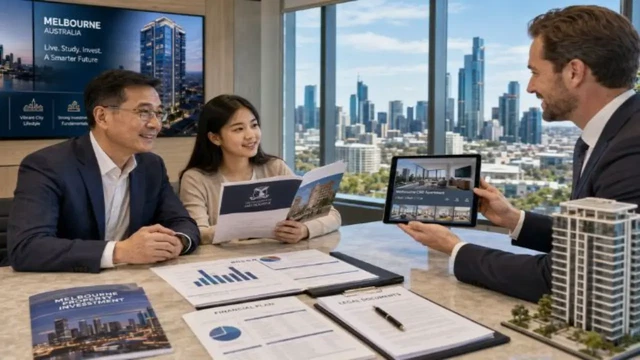
Off-plan sales are in particular very popular, and this appeal has been strengthened by developer roadshows, which were frequently organised directly in the key Chinese cities of Shanghai, Beijing and Shenzhen.
This expansion has come as part of a larger trend in the conversation surrounding Chinese wealth managers and family offices about overseas real estate. Where Dubai was once framed as a secondary option behind established markets like London, Sydney, or Vancouver, it now features more frequently as a primary recommendation, particularly for clients prioritising tax efficiency and a faster path to a usable second residency.
Why Now: The Push Factors From China
Several domestic conditions are pushing Chinese capital to look abroad. China's property sector has been through a prolonged slowdown, with falling prices and stalled developments in some cities denting confidence in real estate as a reliable store of wealth at home.
Strict capital controls limit how much money individuals can move offshore each year, which has made structured, larger transactions, like a Dubai property purchase, an attractive way to place significant capital abroad in a single move. Ongoing concern about further yuan depreciation adds another layer of urgency, since holding assets in a currency pegged to the US dollar offers a hedge that domestic RMB-denominated assets cannot.
There is also a generational element to this shift. Many buyers are not first-time overseas investors; they already have assets in Hong Kong, Singapore or elsewhere. They are looking to diversify further in a market that offers a lower entry cost than those established markets, as well as a quicker and more transparent buying process.
For business owners specifically, a Dubai base also offers proximity to trade routes across the Gulf, Africa, and South Asia, which adds a commercial rationale on top of the purely financial one.
What Dubai Offers That China's Market Doesn't
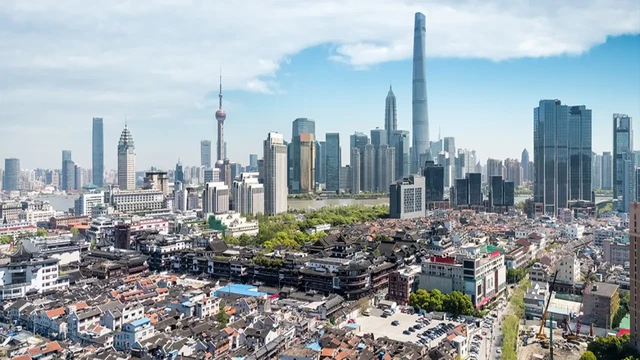
For a buyer accustomed to China's property rules, several features of the Dubai market stand out immediately.
| Factor | Mainland China | Dubai |
|---|---|---|
| Ownership structure | Leasehold (up to 70 years) | Freehold, permanent ownership |
| Property tax | Annual property tax in pilot cities | No annual property tax |
| Capital gains tax | Applies on resale | None |
| Currency | RMB, capital control restrictions | AED, pegged to USD |
| Residency incentive | Not applicable | Golden Visa via AED 2M+ investment |
The freehold and currency-stability points carry particular weight for buyers used to a leasehold system and outflow restrictions at home.
Owning outright, with no expiry on the title and no annual tax bill, is a meaningfully different proposition from what most Chinese buyers can access domestically, which helps explain why the appeal extends well beyond simple price comparison.
The absence of capital gains tax on resale is another point that comes up often in buyer conversations, since it removes a layer of cost that would otherwise apply on any future exit.
Where Chinese Investors Are Buying
For Dubai, Chinese buyer activity tends to focus on a few communities, primarily due to the presence of rental demand, the liquidity of resales, and the accessibility of Chinese sales channels.
- Business Bay: Very attractive for investors looking for rental income and its proximity to Downtown Dubai.
- Downtown Dubai: Attracts investors who believe that the address itself is a part of the investment case as it's near the Dubai Mall and Burj Khalifa.
- JVC: Favoured by first-time/low cost Chinese investors because of low entry cost and stable tenant demand.
- Branded and off-plan developments: Many Chinese buyers are introduced to a specific project through the developer roadshow and Chinese-language sales agents, which shapes where capital ends up concentrating.
This focus is no fluke. The China buyer market may be more concentrated on a smaller number of towers, while developers with dedicated China desks or roadshows are more likely to focus interest on these towers.
Another interesting difference is that word-of-mouth has a greater impact than in many other segments of the buyer population; in early projects, Chinese investors often bring in their friends, family and associates to the same development when they observe early signs of renting or selling.
The Golden Visa Connection
The UAE Golden Visa, available to buyers investing AED 2 million or more in qualifying property, has become a specific draw in its own right, separate from the underlying investment return. For many Chinese buyers, the appeal is residency optionality: a base outside mainland China, a foothold for business travel across the Gulf, and a stable environment for family members to live or study.
This dual motivation, capital preservation plus a mobility option, has made the AED 2 million threshold something of a natural entry point for Chinese buyers structuring a Dubai purchase specifically with the Golden Visa in mind.
For business owners in particular, the visa's independence from any single employer is a meaningful advantage over more restrictive residency options elsewhere. The Chinese entrepreneur can get a Golden Visa to run an international business without being bound by the visa to a particular company. This flexibility is often considered a key advantage when Chinese investors choose Dubai for residence by investment options over other nations.
What Chinese Buyers Should Weigh Before Investing
The case for Dubai is strong on several fronts, but it is not without friction points worth weighing before committing capital.
- Currency conversion costs and timing risk when moving capital from RMB to AED, particularly for larger transactions moved in stages.
- Distance from the market makes in-person due diligence harder without a trusted local partner to verify a project or developer independently.
- Rental management and tenant sourcing typically require a local agency relationship, since managing a Dubai property remotely from China is impractical.
- The resale liquidity is different for each building and area and not consistent throughout Dubai; hence, the assumption for exit should be building-specific rather than market-wide.
- Language and service deficiencies can hinder transactions that have a Chinese-speaking intermediary as the sole point of communication between the buyer and the developer or agency.
Summary
The trend of Chinese buyer activity in Dubai is a sensible reaction to certain conditions at home, rather than a speculative bubble. In addition to Dubai's freehold ownership, tax efficiency, and pathway to residency, a slowdown in the domestic property market, capital control pressure, and currency considerations have all played a role in making it a compelling case.
However, even with the perspective of nationality, the importance of due diligence remains, and issues regarding distance, currency, and liquidity of the buildings cannot be taken lightly prior to putting money down.
FAQs
Can Chinese nationals buy freehold property in Dubai?
Yes. Chinese nationals, like most foreign buyers, can purchase freehold property outright in Dubai's designated freehold areas, with no requirement for a local partner or sponsor.
Do Chinese investors need to be UAE residents to buy property?
No. UAE residency is not a requirement to purchase property in Dubai's freehold zones, though qualifying purchases can themselves lead to residency through the Golden Visa.
What is the average cost of property in Dubai?
The average cost of an apartment in Dubai is AED 1,720 per sqft.
Is Dubai property a good hedge against RMB depreciation?
Many buyers view it this way, since Dubai property is priced in AED, which is pegged to the US dollar, offering a currency profile distinct from RMB-denominated assets at home.
What is the minimum investment for a Golden Visa as a Chinese buyer?
This applies to all nationalities. AED 2 million or larger in qualifying property, with the condition that it is purchased under normal eligibility requirements.





 Dubai South