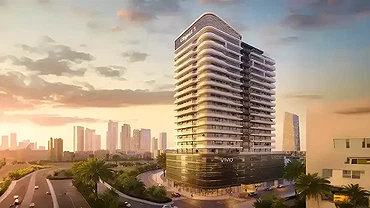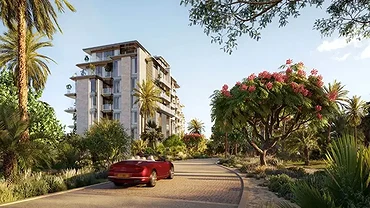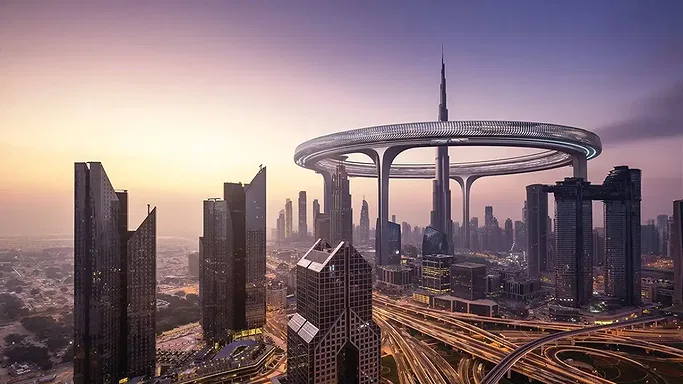
The skyline of Dubai is a realistic manifesto, with mixed-use developments, new islands, and soaring towers reflecting the city’s deliberate planning. Strategized to push the emirates into the next chapter of urban living, the city is undergoing two broader plans: the D33 and the 2040 Urban Vision.
To accomplish these visions, authorities are combining industry policy, tourism, and land use, boosting talents and capital acquisition in addition to enhanced livability. This framework underscores the scaling of release or megaprojects by government-backed master planners and leading developers.
With a fusion of public parks, affluent housing, hospitality, and transport links at scale, 2026-2030 envisions redefining the investment and geographical landscape of Dubai.
List of Dubai Mega Projects
1. Dubai Islands – A New Era of Island Lifestyle
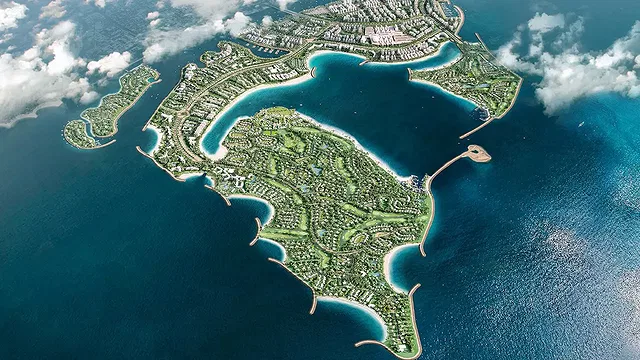
This exclusively master planned waterfront destination is positioned as a multi-island lifestyle and hospitality hub. The sprawling hospitality and public realm make the Dubai Islands a revolutionary addition to the emirate’s coastal pipeline. This mega-project’s key highlights include:
- Formerly called the Deira Islands, it is now undergoing rapid development under Nakheel’s master planning.
- Boasts a Blue-certified beach that extends to twenty kilometers and a waterfront spanning sixty kilometers.
- Comprises multiple islands to host hospitality and lifestyle, with residential pockets, parks, and public spaces included in the blueprint.
Investment Opportunities
Various developers are marketing a chain of apartments and villa projects. From accessible waterfront apartments to ultra-luxury villas or penthouses, the island features a variety of price points and ensures long-term capital appreciation. Additionally, leisure and branded hotels uplift Dubai’s beachfront hospitality.
2. Palm Jebel Ali – A Master Plan Unique in Vision & Execution
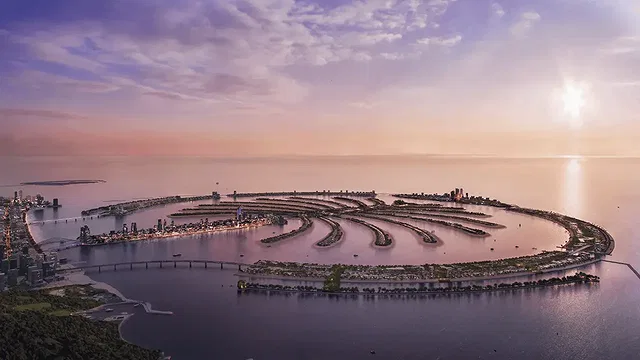
Pioneering a new standard of waterfront living, this beacon of sophistication has been revived after being paused for ten years. The blueprint of this mega-project in Dubai includes:
- Strategic encapsulation of 13.5 million square meters of land.
- Developments spanning 10.5 million square meters.
- More than eighty high-end resorts and hotels.
- A staggering expansive covering 110 kilometers of coastline.
Investment Opportunities
After revival, this unique waterfront marvel has been undergoing rapid evolution to host thousands of apartments and villas. The residential pockets are spread across various fronds, with renewable energy commitments and themed attractions woven into the plans. The exclusively-built stock rivals the Palm Jumeirah pipeline and elevates both tourism capacity and luxurious residential supply.
3. Dubai Creek Harbour – A Reimagined Urban Waterfront
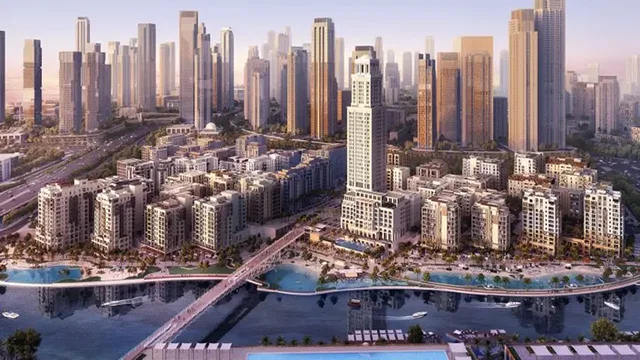
This iconic master plan development by Emaar is an emblem of Dubai’s strategic move to upgrade inner-city waterfronts. Known for scale developments and attractive facts, it encapsulates:
- Yachting facilities and proximity to rich biodiversity attractions.
- Sprawling expanse of 500,000 square meters covered in open spaces and green pockets.
- 7.4 million square meters of the land is engulfed in residential developments.
- Serviced apartments span approximately 711,399 square meters.
Investment Opportunities
Tailored for a redefined lifestyle, DCH combines luxury pockets with functional accommodations to expand accessibility across diverse buyer profiles. From apartment units to generously-sized homes and penthouses, solid investment opportunities are dispersed throughout this contemporary retreat.
4. Dubai South – The Growth Corridor for Global Investors
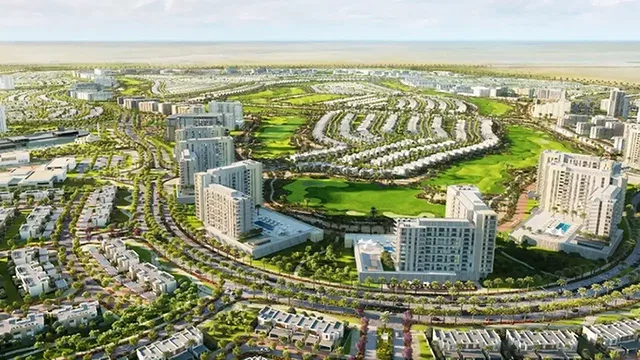
Another brilliant addition to the emirate’s mega-project expansion, Dubai South is a sprawling neighborhood aimed at diversifying where and how Dubai grows. Besides enlarging the city’s vertical prominence, this colossal destination unlocks new economic corridors and experiential tourism clusters. Defining elements include:
- Statured as the single, larger master development in Dubai.
- Key capacity upgrades center around Al Maktoum International.
- Targets large-scale tourism attractions, air connectivity, and logistics.
Investment Opportunities
This whopping master development benefits from government-anchored strategies and further divisions into sub-communities like Emaar South. The product mix and nearness to advanced business zones make it a top contender among investors.
5. The Oasis by Emaar - Ultra-Luxury Waterfront Living
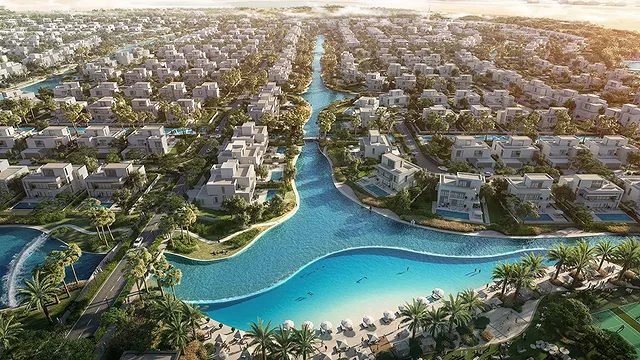
The Oasis by Emaar is one of the projects with the most ambitious plans for luxury villa communities in the next growth cycle of Dubai. Located as a master development of 7,000 residential units, the project is oriented towards massive mansions flanked by water canals and greenways. In addition, it enhances the ultra-prime residential sector of Dubai, which has low-density planning and high privacy levels. Defining elements include:
- More than 100 million sq. ft. villa and mansions masterplan.
- Offers 4- to 7-bedroom villas and mansions.
- Vast waterways, lagoons, and landscaped open spaces.
- Emaar Properties has developed it with the luxury-first vision in mind.
Investment Opportunities
The Oasis aims at the high-net-worth segment that is interested in exclusivity and the ability to grow the capital over time. Moreover, it has a low inventory policy that helps it to charge a high price and remain in demand. The ability to hold a small stock and a good brand image make it one of the most anticipated luxury villa launches in the upcoming years.
6. Mercedes-Benz Places Binghatti City
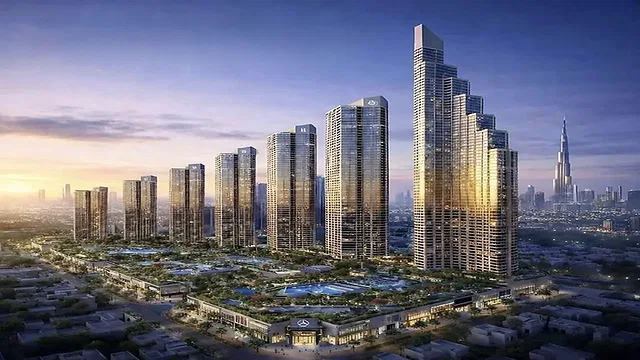
The development presents the first Mercedes-Benz-branded city community in the world. The project was created in cooperation with Mercedes-Benz and includes a combination of the automotive design philosophy and futuristic 12 residential towers. Moreover, it makes Dubai a centre of branded real estate in the world. Defining elements include:
- Multi-tower master development in Nad Al Sheba.
- Phase 1 includes 5 towers and 4,000 units.
- High-end homes that were based on the Mercedes-Benz design language.
- The project includes various buildings (AMG, Maybach, AVTR).
- Combined retail and lifestyle regions.
Investment Opportunities
Branded residences are even performing better compared to traditional assets. Thus, this project can be of great interest to the international investor who is willing to invest in prestige-oriented properties. This cooperation makes Dubai the leader in luxury real estate development until 2030 as the city continues to expand its list of global branded projects.
7. Tilal Binghatti – First Villa Community by Binghatti
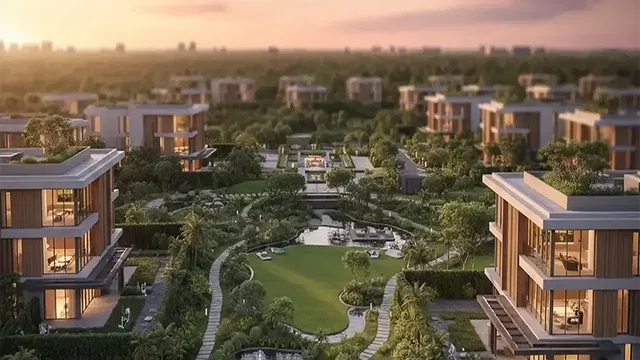
Tilal Binghatti is the first exclusive villa community of Binghatti. The project no longer aims at tall towers, but a wide residential accommodation with attention to the layouts of the residential builds that are family-oriented. Furthermore, it is an indication of the development of the developer in the direction of diversification of property offerings.Defining elements include:
- Contemporary architecture villas of limited edition.
- Controlled entry community setting.
- Offers 3 to 5-bedroom townhouses and Villas.
- Unit sizes range from 2,200to 4,500 sqft.
- Long-term end-user demand-oriented.
Investment Opportunities
With the new direction of Binghatti into villa development, Tilal Binghatti provides early entry benefits in a fast-growing suburban market. With the villa communities remaining in the lead in the demand cycles, this project consolidates Binghatti's presence within the Dubai changing real estate market.
8. Ghaf Woods - Nature-Centric Urban Living
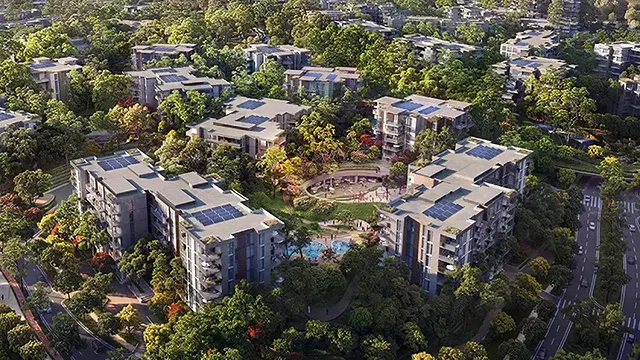
Ghaf Woods presents a residential project based in a forest and focused on creating sustainability. It has 11 unique clusters spanning around 74 hectares. The project, which is planned in an environmentally-friendly way, incorporates high-density greenery and shaded lanes to limit the heat effect. As a result, it is in line with the green real estate objectives of Dubai. Defining elements include:
- Ghaf trees became part of the master plan with the capacity of 35,000 trees.
- Green mobility and pedestrian-friendly designs.
- Green building specifications.
Investment Opportunities
As the idea of sustainability is turning into a market driver, Ghaf Woods targets environmentally conscious customers and long-term investors. With green living becoming a prominent decision factor, the development is considered one of the most innovative eco-based real estate projects in the next decade of Dubai.
9. Burj Azizi – A New Skyline Landmark
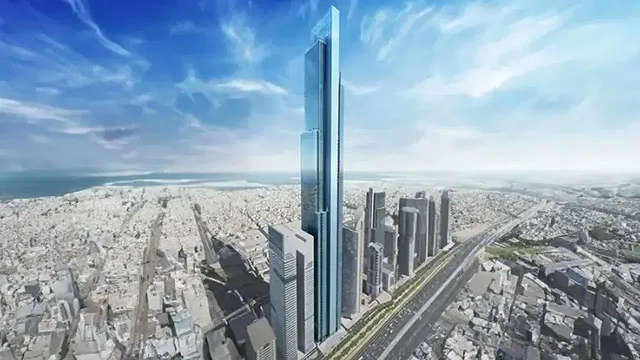
Burj Azizi will be the second-tallest building on the Sheikh Zayed Road in Dubai as it is 131+ storey, 725-meter skyscraper. The development is a vertical mixed-use landmark that incorporates ultra-luxury homes, hospitality, and retail. Furthermore, it supports the desire of Dubai to break the architectural boundaries. Defining elements include:
- It is projected to have a 7-star hotel, a vertical mall, and a 16th-floor beach club.
- Residences in mixed-use format with hotel suites.
- Strategic positioning on Sheikh Zayed Road.
- Handover date is Q4 2029 with a launch price of AED 6.4M.
Investment Opportunities
Historically, iconic towers move high resale values. Thus, Burj Azizi is placed as a title property for the international investors. Thus, in the 2026-2030 planning period, Burj Azizi is placed as a trophy property. Its large size, branding, and location provide good prospects to strengthen its long-term growth in capital.
10. Six Senses Residences Dubai Marina – Wellness-Oriented Luxury
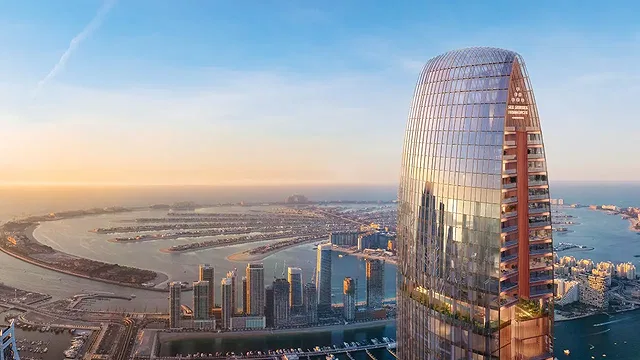
Six Senses Residences Dubai Marina is a 122-storey tower and introduces a wellness lifestyle to one of the oldest waterfront neighbourhoods in Dubai. The project is called Six Senses, a well-known brand worldwide, and it involves the fusion of health-focused services and environmentally friendly construction. Defining elements include:
- 251 luxury branded Wellness residences.
- 2 to 4-bedroom apartments and duplexes.
- Handover date is Q3 2028 with launch price of AED 5.8M.
- Green and sustainable design practice.
Investment Opportunities
The Dubai Marina has branded waterfront apartments, which are rather stable in demand worldwide. This has made Six Senses Residences provide great long-term value supported by the international hospitality experience. Thus, it would provide lifestyle prestige and security of investment due to the fact that Dubai keeps building up its portfolio of luxury hospitality-related residences until 2030.
Closing In
From vast planned neighborhoods to new islands and water-facing pockets, the 2026-2030 wave of Dubai mega-developments promises both an urban experiment and economic strategy. These projects target expansion in housing, tourism, and business capacity. However, the long-term success depends on strong public infrastructure, stringent coordination, and credible delivery by developers.
Whether you’re a resident or looking for investments, Dubai offers realistic opportunities and commands due diligence. The city is on its way to reinvent itself with large projects and alignment with contemporary demands. Also, the next decade of mega projects will determine whether the emirates consistently deliver livable products and a sustainable ecosystem.
Explore more...



 Meydan