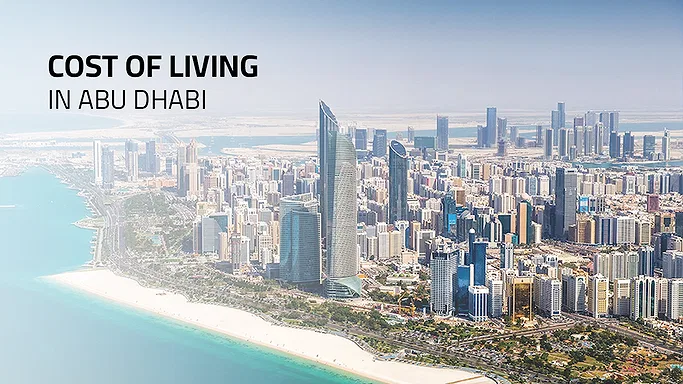
The cost of living is something that one should understand when relocating to the capital of the UAE. Abu Dhabi is known for its high standard of living, world-class infrastructure, and tax-free income environment.
Thousands of expats and professionals are attracted to these every year. If you have a good idea of what you will be spending every month, you can be confident in your plans.
Whether it's rent, utilities, transportation to school fees, this guide gives you an overview of all the major costs. It will allow you to make a realistic budget for living in Abu Dhabi in 2026.
Here's the Break Down of Living Cost in Abu Dhabi
1. Housing Costs
Most residents' primary expense is housing. The rent varies depending on the area, type of rental accommodation, and distance from the city centre. Having a housing budget before the housing search is important.
Renting Property in Abu Dhabi
There are a variety of rental homes available in Abu Dhabi. Once you begin considering rentals, most landlords will ask you to present 1 to 4 bank-issued cheques to them that are payable at a later date. When you sign, ensure that you have a game plan for cash flow.
Apartments
| Type | Average Yearly Rental (AED) |
|---|---|
| Studios | 66K |
| 1-Bedroom Apartment | 98K |
| 2-Bedroom Apartment | 140K |
| 3-Bedroom Apartment | 178K |
Villas
| Type | Average Yearly Rental (AED) |
|---|---|
| 3-Bedroom Villa | 227K |
| 4-Bedroom Villa | 326K |
| 5-Bedroom Villa | 400K |
Buying Property in Abu Dhabi
One way that long-term residents can continue to maintain a property is by buying it. When transferring a property, there are costs to take into account, including the property transfer tax of 4%, agent fees, and the price of establishing your mortgage. The prices of the properties in Abu Dhabi are about 30% cheaper than similar properties in Dubai and are an attractive investment for both owner-occupiers and investors.
Apartments
| Type | Average Sales Price (AED) |
|---|---|
| Studios | 1.1M |
| 1-Bedroom Apartment | 1.9M |
| 2-Bedroom Apartment | 3.2M |
| 3-Bedroom Apartment | 4.7M |
Villas
| Type | Average Sales Price (AED) |
|---|---|
| 3-Bedroom Villa | 4M |
| 4-Bedroom Villa | 7.4M |
| 5-Bedroom Villa | 10M |
Affordable Areas to Consider
Khalifa is one of the best places to live in as an expat family at an affordable price. Al Khalidiya provides bigger apartments at competitive rates. Following the trend of mid-range rents, modern towers are available on Al Reem Island with good transport links.
Rent prices are slightly lower in the outskirts of the city, where you can save 20-40% of your monthly rent, which means you can save a lot of your monthly budget.
2. Utilities and Internet
The costs of Electricity, Water, Cooling and Internet services are the costs of Utility Bills in Abu Dhabi.
- The monthly expenses on basic utilities for a 900-square-metre apartment average AED 608.
- Bills can be as high as AED 780 or more in older buildings, and during the summer months, due to the use of air conditioning from May to September.
The seasonal demand is a factor that leads to significant differences in electricity costs and should be considered in the annual cost budget.
Etisalat and du are two providers of internet services in the emirate. Both companies offer a package deal that covers home Internet, mobile, and TV.
- The cost of mobile data plans usually ranges between AED 275 and 500 per month.
- The high-speed internet varies from AED 389 to 409.
3. Dining and Groceries
There are a variety of supermarkets in Abu Dhabi, ranging from hypermarkets to local co-ops and neighbourhood stores.
- One person's weekly food basket, which covers eggs, milk, bread, rice, chicken, and vegetables, costs about AED 700.
- An average food expenditure for a family of four is approximately AED 4500 per month.
This can be further reduced if one can purchase locally from co-ops or community markets. Food is an essential part of daily life in Abu Dhabi and is one of the favored pursuits here.
The UAE's new pricing policy for nine essential consumer products was announced in January 2026. This policy will limit prices of essential commodities such as cooking oil, eggs, milk, rice, and bread. It helps people to make informed choices about their food money for the whole year.

Grocery
| Grocery Item | Average Cost (AED) |
|---|---|
| White Bread | 5.34/Loaf |
| Rice | 8.81/kg |
| Milk | 7.09/ltr |
| Eggs | 11.74/dzn |
Meat
| Meat | Average Price (AED) |
|---|---|
| Chicken | 15.00/kg |
| Mutton | 35.00/kg |
| Beef | 28.97/kg |
Vegetables
| Vegetables | Average Price (AED) |
|---|---|
| Onions | 5.16/kg |
| Tomatos | 5.46/kg |
| Potatoes | 4.22/kg |
| Brocolli | 12/kg |
| Lettuce | 6.61/head |
Fruits
| Fruits | Average Price (AED) |
|---|---|
| Apples | 8.91/kg |
| Bananas | 6.54/kg |
| Oranges | 6.86/kg |
| Mangoes | 20/kg |
| Plums | 26/kg |
4. Transport
Abu Dhabi has a public bus system that operates using the Hafilat card system. Many people, especially suburbanites, have personal vehicles for their daily activities and shopping needs.
- A Hafilat Card costs around AED 80 per month.
- A Petrol (1 litre) costs around AED 3.76.
Running costs are kept low due to prices for fuel still being low by international standards. The monthly expenses that have to be budgeted for include car insurance, registration, and annual maintenance, which will cost you AED 500 to AED 1,000. Within the city, taxis and ride-hailing services like Careem are available in abundance, and for the typical ride within the city, the fare is about AED 15.
5. Healthcare
Everyone in Abu Dhabi is required to have health insurance. Health insurance should be part of your employment package, and in most cases, your employer will have to pay for your health insurance. Before moving, it is essential to check the extent of that coverage.
- The basic annual cost of a single-person policy is around AED 600.
- Around AED 20,000 is the cost of a comprehensive plan, which includes specialist consultations, for a family of four.
6. Education
One of the major costs for families raising children in Abu Dhabi is the school fees. The level of the fees will vary according to curriculum, school tier, and grade.
There are schools with both British and American curricula, which are popular among expat families and tend to have higher fees; and IB schools, which are also in the higher end of the fee scale. A great number of schools give a discount to families that pay the complete annual fee at once.
- The cost of private and foreign school fees varies from AED 2,200 to more than AED 100,000 annually.
- Private nurseries charge AED 1500 – 5000 per month for kindergarten.
Cost of Living in Abu Dhabi for Singles, Couples and Families
The following is a realistic monthly budget estimate for the three resident profile scenarios. These numbers are for rent and all major expenses. Most of the rental prices in Abu Dhabi are about 10-20% lower than those in Dubai, and about 30% lower in most property types in comparison.
| Resident Profile | Estimated Monthly Budget (AED) | Key Cost Drivers |
|---|---|---|
| Single | AED 8K – 12K | Rent, transport, groceries |
| Couple | AED 16K – 22K | Rent, utilities, dining |
| Family | AED 25K – 35K | School fees, housing, and healthcare |
A single individual with an average take-home pay of AED 11,500 can afford to stay in the cities without breaking the bank by opting for accommodation away from the city centres. For engineers and senior professionals with an income of AED 20,000 and above, there will be more flexibility in saving and indulging in a lifestyle.
Tips to Reduce Living Costs
- Take the Hafilat bus to commute to work every day. The monthly pass at AED 80 is less than 1/10th the price of owning a car.
- Practice buying at co-ops, local markets, and not at the premium supermarket. The prices of goods like bread, milk, eggs, and other basics are always lower.
- Inquire with schools about any discounts offered on annual fee payments.
- Get a bundled home internet, cell phone, and television service from a single company.
- Follow energy-saving measures in summer. The relatively simple things like adjusting your thermostat and turning off lights can save you some money on your electric bill.
Summary
Most people who have information about their budget and approach living in Abu Dhabi with it can afford the cost of living. The most significant item on your monthly outgoings is rent, and selecting the right community can make a huge difference to your income.
Low fuel prices, top infrastructure, and tax-free income make Abu Dhabi a good city for all professionals and families. Abu Dhabi is an excellent value when compared to equivalent cities around the world, without compromising on quality or safety.
FAQs about Living Expenses in Abu Dhabi
Is Abu Dhabi cheaper than Dubai?
Yes, Abu Dhabi is cheaper than Dubai in terms of housing, leisure, and education.
How much money do you need to live a good life in Abu Dhabi?
A single person needs AED 10K to live comfortably in Abu Dhabi.
What are the charges for car parking in Abu Dhabi?
The charges for car parking are AED 2 for one hour and AED 15 for 24 hours.
What are the best areas to live in Abu Dhabi?
The popular areas to live in Abu Dhabi are Al Khalidiyah, Al Reem Island, and Khalifa.
What is the cost of a family visa in Abu Dhabi?
The family visa in Abu Dhabi costs around AED 2,450 to AED 4,222.










 Dubai South